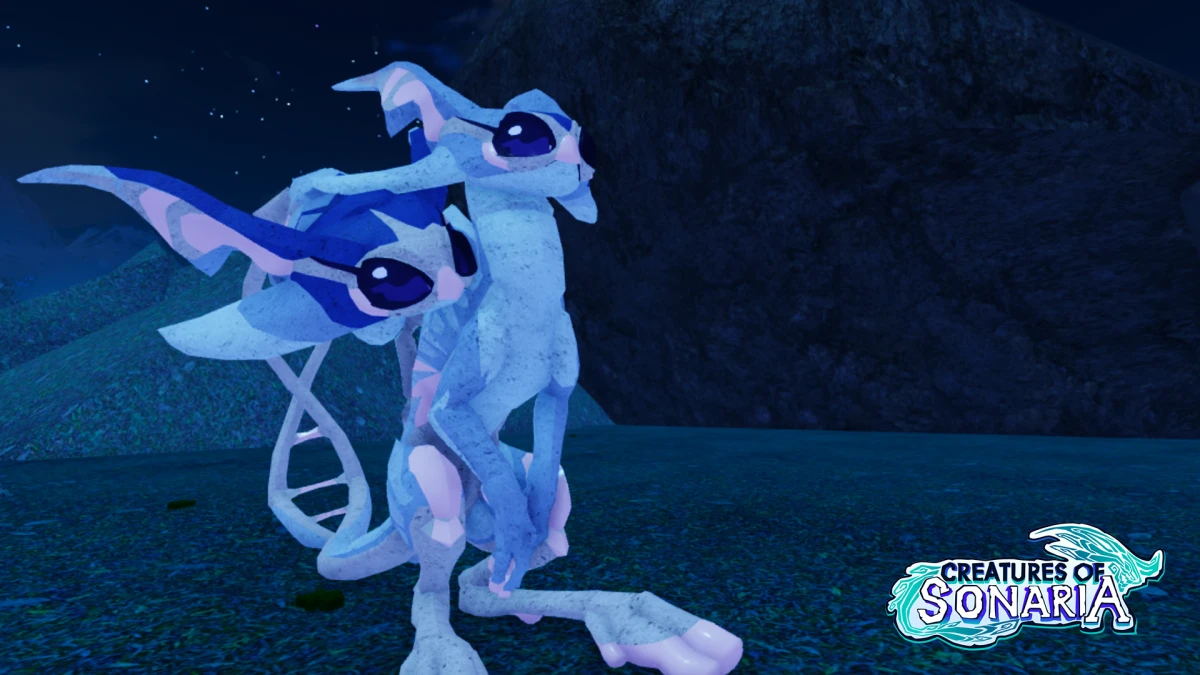
Mastering Creatures of Sonaria Mutations: The Ultimate Guide
Unlock the secrets of Creatures of Sonaria mutations! Learn how to farm, stack, and obtain every rare effect to customize your creature like a pro.
Published: Creatures of Sonaria Wiki Editorial Team
Table of Contents
Customizing your creature is one of the most rewarding aspects of the game, and nothing makes your avatar stand out quite like unique visual effects. If you have been wondering how to make your creature look truly legendary, you have likely come across the complex world of Creatures of Sonaria mutations. These rare cosmetic traits can transform your creature from a standard specimen into a one-of-a-kind masterpiece.
Whether you are a collector looking for the rarest aesthetic or a competitive player trying to optimize your creature's appearance for social status, understanding how Creatures of Sonaria mutations work is essential. This guide will walk you through the mechanics, the best farming methods, and the rules of stacking these effects to help you dominate the customization scene.
What Are Mutations and Why Do They Matter?
At their core, mutations are cosmetic changes that alter the appearance of your creature. While some mutations, such as Dwarfism or Gigantism, subtly impact hitbox size and gameplay mechanics, most are purely for aesthetic flair. These effects are highly sought after by the community, often becoming a form of "currency" in the trading realm due to their rarity and the difficulty involved in obtaining specific ones.
Creatures of Sonaria mutations are categorized into two primary acquisition methods: nesting and growth. Understanding the difference is the first step toward building your dream collection. Nesting mutations are applied when a player hatches from an egg, while growth mutations occur as your creature ages up. Because these mutations are RNG-based (random number generation), they are not guaranteed, making the pursuit of a specific look a true test of patience.
Understanding the Two Types of Mutations
To effectively hunt for these traits, you must know where they come from. The game differentiates between how a mutation is triggered, and knowing this prevents wasted time.
Mutation Type
Acquisition Method
Key Characteristics
Nesting Mutations
Hatching from a nest
Applied at birth; often linked to specific seasons or events.
Growth Mutations
Aging (Age 66 or 100)
Triggered during growth milestones; pop-up notification occurs.
The Different Categories of Mutations
The game features a vast array of effects. Some are available year-round, while others are tied to specific events or plushies. Mastering Creatures of Sonaria mutations requires you to track which ones are currently obtainable.
Natural and Monthly Mutations
Natural mutations are available at all times. Examples include Albinism, Melanism, and Piebald. These are the "bread and butter" of the mutation system. Conversely, Monthly mutations shift with the calendar. For instance, the Garnet mutation is tied to January, while Clover is associated with March.
Event and Special Mutations
Event mutations are exclusive to specific seasonal celebrations, such as the Halloween event (Ghosty, Headless) or the LSS event. Special mutations often require specific plushies to boost your odds. For example, the Magic Frog plushie is essential for those hunting the Bewitched mutation.
Tip
Maximize Your Odds
Always check which plushies are currently active. Using a plushie like the Octroma can significantly double your chances for growth-based mutations, making your farming sessions much more efficient.
How to Farm Mutations Efficiently
Farming for Creatures of Sonaria mutations can be time-consuming, but experienced players have developed streamlined methods to maximize their success. Whether you are hunting for a rare Shadow mutation or just trying to get a Glimmer, the following strategies are community-tested.
Nesting Farming Strategy
To farm nesting mutations, you need a setup that allows for quick hatching.
The Setup: Equip your female creature with an Octroma plushie and an Egg Shell.
The Location: Find a secluded area in the migration zone. This prevents other players from interfering with your nest.
The Process: Use an alt account or a friend to request nesting. Place the nest in a hard-to-reach area if you are a flier, or a hidden spot if you are terrestrial.
The Cycle: Lay eggs, hatch them, and check for the mutation. If you don't get the desired result, repeat the process.
Growth Farming Strategy
Growth mutations are slightly different because they rely on reaching specific milestones.
The Milestone: Focus on reaching Age 66 or Age 100.
The Plushies: Equip growth-boosting plushies like the Aerix or the Octroma.
The Routine: Grow your creature until you hit the milestone. If the mutation doesn't trigger, delete the slot and start over. This is a repetitive process, so having something to do in the background is highly recommended by veteran players.
Warning
Avoid Combat Logging
While players previously used combat logging to speed up growth-based missions, this method was patched on April 19th, 2024. Attempting to use exploits can lead to issues with your game data. Stick to legitimate farming methods to keep your account safe.
Mutation Layering and Stacking Rules
One of the most confusing aspects of Creatures of Sonaria mutations is how they interact with each other. Can you have multiple mutations at once? Yes, but there are strict rules.
The Three-Slot Limit
A single creature can hold up to three mutations. However, you cannot simply stack any three mutations you want. The game reserves the third slot exclusively for Glimmer. This means you can have two "standard" mutations and one Glimmer, but you cannot have three standard mutations.
The Glimmer Exception
Glimmer is unique because it is coded differently than the other cosmetic mutations. It is the only mutation that will visually stack with another mutation. For example, if you have a creature with a Shimmer mutation, you can also have Glimmer active. Most other mutations, even if they both add neon parts, will not stack visually.
Managing Your Look
Players can toggle any mutations on or off in the customization menu. This is a game-changer for players who have multiple mutations but prefer a cleaner look for certain situations. You can keep your mutations "active" in the slot but hidden from view, allowing you to switch between styles without losing your hard-earned traits.
Community Insights: Tips from the Pros
The community is the best source of knowledge for Creatures of Sonaria mutations. According to player discussions, the tier of the creature plays a massive role in how "valuable" a mutation is.
Tiering Matters: Tier 5 creatures take longer to grow, making them more difficult to farm for growth mutations. If you are just starting out, try farming on Tier 1 or Tier 2 creatures to get the hang of the process before moving to larger, more time-intensive species.
Double Mutations: These are slots that include both a nesting mutation and a growth mutation. They are highly valued in the trading realm. To get these, you must follow the farming steps for both types simultaneously.
The "Shadow" Hunt: The Shadow mutation is widely considered one of the rarest. It is a growth mutation with no plushie boost, making it a true test of RNG. Players report that it requires reaching age 66, and the odds are incredibly low (estimated at 0.1%).
Mutation
Rarity Level
Best Farming Method
Albino
Common
Nesting
Glimmer
Common
Growth (Age 100)
Overgrown
Rare
Nesting
Shadow
Very Rare
Growth (Age 66)
Diamond
Very Rare
Nesting
Frequently Asked Questions (FAQ)
Can I get multiple of the same mutation on one creature?
Yes, it is possible to receive double of the same mutation, though it is extremely rare and often considered a glitch. However, you cannot get a triple of the same mutation because the third slot is reserved for Glimmer.
Do mutation percentages change?
The developers do not publicly reveal the exact percentages for Creatures of Sonaria mutations because the code changes frequently. Community estimates are the best resources we have, but keep in mind that they are just estimates and can fluctuate with game updates.
What is the rarest mutation in the game?
While rarity is subjective due to the RNG nature of the game, many players consider the Shadow mutation or specific event-exclusive mutations (like Headless or Ghosty) to be the rarest. These are highly sought after because they are difficult to obtain or only available for a limited time.
How do I officially check game details?
Always rely on the official game page for the most accurate information regarding updates and mechanics. You can visit the official page here: Creatures of Sonaria Survive Kaiju Animals.
By following these strategies, you are well on your way to mastering the customization system. Remember, patience is key—mutation hunting is a marathon, not a sprint. Good luck, Sonarian!